


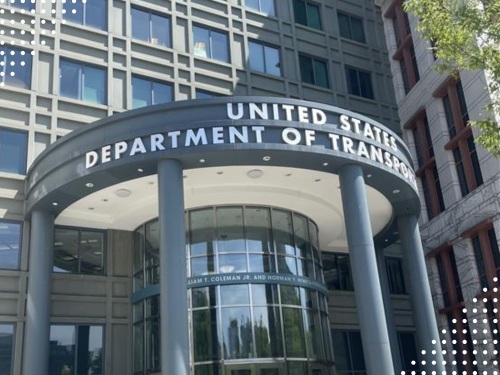
The Pipeline and Hazardous Materials Safety Administration or PHMSA within the U.S. Department of Transportation is issuing new rules and introducing a new enforcement policy that seeks to enhance safety while lowering overall energy costs across America; generating more than $600 million in estimated annualized cost savings, the agency said.
[Above photo by AASHTO]
The first rule modernizes PHMSA’s class location regulations for gas transmission lines to account for more than five decades of advancements in technology and safety practices.
Those changes – modeled after what PHMSA describes as its successful class location special permit program – will allow operators to avoid unnecessary pipeline replacements and pressure reductions by implementing modern, risk-based Integrity Management or IM practices.
USDOT noted in a statement that this PHMSA rulemaking effort alone is expected to save more than $461 million per year and reduce maintenance-related emissions by 1.3 billion cubic feet per year.
The second rule amends PHMSA’s Hazardous Materials Regulations or HMRs and will lower compliance costs associated with transporting fuel via cargo tank.
From allowing new technologies to perform cargo tank inspections to restoring a longstanding exemption in the placarding requirements for shipment of certain fuels, PHMSA said those changes should generate $145.3 million in annualized cost savings.
Finally, PHMSA issued a new enforcement policy to provide relief to consumers in areas affected by the national energy emergency declared by President Trump, particularly the West Coast, Northeast, and Alaska. The policy allows regulated entities to apply for special permits to defer the performance of compliance activities that could contribute to the national energy emergency in these areas, if they can do so safely.
PHMSA noted that the changes to class location requirements will become effective 60 days from the January 12 publication date of those proposed rules, while the changes to the HMR will become effective 30 days from January 12.
 Nation
Entries Sought for 2026 America’s Transportation Awards
February 27, 2026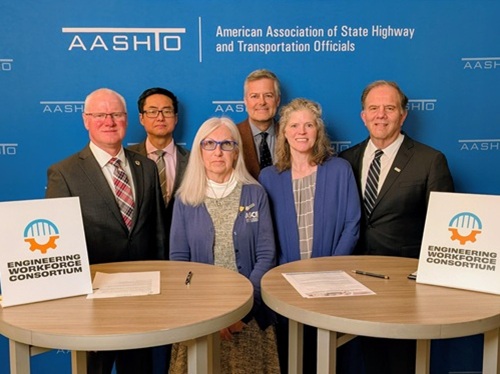 Nation
