


According to a new report by nonprofit research firm TRIP, U.S. traffic fatalities fell in 2025 for the fourth straight year after increasing dramatically in 2020 and 2021 during the initial stages of the COVID-19 pandemic.
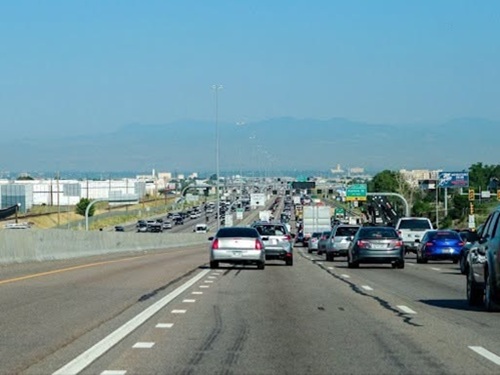
[Above photo by Colorado DOT]
The report – entitled Addressing America’s Traffic Safety Crisis: Examining the Causes of Increasing U.S. Traffic Fatalities and Identifying Solutions to Improve Traffic Safety – documents trends in U.S. traffic fatalities from 2015 to 2025 at the national and state levels, examines causes for the increase in U.S. traffic fatalities, and details what TRIP calls a “broad, comprehensive approach” to reducing those fatalities.
TRIP noted in its report that, despite a reduction in U.S. traffic fatalities over the last four years, they are three percent higher in 2025 compared to 2015 (36,640 versus 35,484).

The group also found that bicyclist and pedestrian fatalities, which accounted for 21 percent of all U.S. traffic fatalities in 2025, increased by eight percent from 2020 to 2025. Concurrently, the number of pedestrians killed increased five percent (from 6,236 to 6,529) and the number of bicyclists killed increased 29 percent (from 891 to 1,148) from 2020 to 2025.
TRIP also referenced a 2023 report compiled by the National Highway Traffic Safety Administration that roughly tallied the “tangible economic costs” of traffic crashes – such as medical care, lost productivity, legal and court costs, insurance administrative costs, etc. – and quality of life costs as well, including the loss of remaining lifespan, extended or lifelong physical impairment, or physical pain.
Based on NHTSA’s traffic crash cost methodology, TRIP estimates that fatal and serious traffic crashes in 2025 caused a total of $1.75 trillion in the value of societal harm, which includes $435 billion in economic costs and $1.32 trillion in quality-of-life costs.
Russell McMurry, president of the American Association of State Highway and Transportation Officials and commissioner of the Georgia Department of Transportation, noted that transportation leaders have a “shared responsibility” to use data produced by groups such as TRIP as well as “every available safety tool” to prevent crashes, fatalities, and serious injuries.
“The continued loss of life on our nation’s roadways reminds us that we cannot accept traffic fatalities as an inevitable consequence of mobility,” he explained in a statement.
“[We need] take a more comprehensive and proactive approach to safety – one that recognizes human error, anticipates risk and builds layers of protection into our roads, vehicles and transportation system,” McMurry stressed. “Together, we must remain focused on building a transportation system that helps ensure everyone can reach their destination safely.”
“While it is good news that the number of traffic fatalities is trending downward in recent years, the nation continues to face a traffic safety crisis with nearly a quarter million Americans killed since 2020,” added Dave Kearby, TRIP’s executive director.
“Making a commitment to eliminating fatal and serious injuries on the nation’s roadways will require robust investment and coordinated activities by transportation and safety-related agencies in providing the needed layers of protection for the nation’s motorists, pedestrians and bicyclists, including safe road users, safe roads, safe vehicles, safe speeds and high-quality post-crash care,” he said.
 Top Stories
Key Sessions Detailed for 2026 AASHTO Annual Meeting
September 25, 2026 Top Stories
