


A collation of more than 100 organizations – including the American Association of State Highway and Transportation Officials – sent a letter to the leaders of the U.S. House of Representatives on June 15 urging them to advance the BUILD America 250 Act, a 5-year federal surface transportation reauthorization bill.
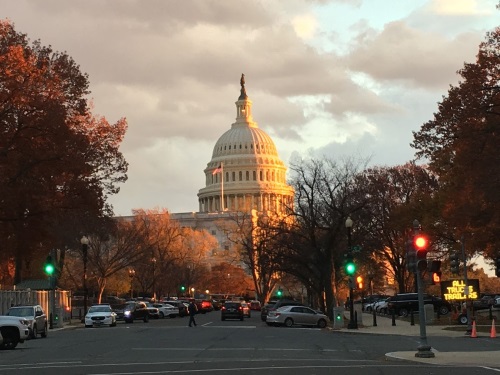
[Above photo by AASHTO]
Known officially as the Building Unrivaled Infrastructure and Long-term Development for America’s 250th Act or BUILD America 250 Act – the bill authorizes $580 billion for highways, highway safety, transit, and rail programs over fiscal year 2027 through FY 2031, with $474.4 billion provided as Highway Trust Fund (HTF) contract authority.
The House Transportation and Infrastructure Committee adopted that bill by a vote of 62-2 after a marathon 15-hour legislative markup session that ended in the wee hours of May 22.
That letter of support for the bill – spearheaded by the Associated General Contractors of America – stressed that “timely action is critical” as the current surface transportation law is set to expire on September 30.
“A long-term surface transportation authorization is essential to maintaining and improving the highways, bridges, public transportation systems, freight networks, and safety programs that Americans and the economy depend upon every day,” the letter stressed.
The letter also noted that BUILD America 250 Act would provide greater certainty for public agencies and private sector partners, strengthen the movement of people and goods, support domestic manufacturing and supply chains, improve transportation safety, and sustain well-paying jobs throughout the economy.
“Predictable federal investment allows transportation agencies to develop long-term plans, make more efficient use of public resources, and avoid project disruptions and cost increases caused by uncertainty,” the letter emphasized. “[And] certainty is needed for states and local governments to plan and deliver infrastructure projects in communities across the country … to help ensure America remains competitive in the global economy.”
 Top Stories
AASHTO Comments on 'Corridors of Commerce’ Program
September 18, 2026 Top Stories
