



Governor Maura Healey (D) proposed legislation to strengthen public safety and regulate micromobility devices such as electric bikes or e-bikes, scooters, and mopeds.
[Above image by MassDOT]
Known as the “Ride Safe Act,” the bill builds on recommendations from a statewide micromobility commission and responds directly to growing safety concerns on Massachusetts roads, sidewalks, and bike lanes. It introduces a new system that regulates devices based on speed rather than device type, helping ensure rules keep pace with rapidly evolving technology while addressing the real safety risks that come with higher-speed devices.
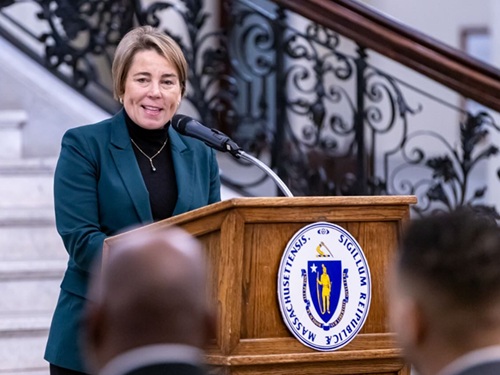
The governor said that while micromobility devices are already part of daily life for many state residents and businesses, current law provides only “limited guidance” that creates confusion and increases safety risks for riders, pedestrians, and law enforcement.
“Micromobility is already a part of how people get to work, school and around their communities, but right now, the rules are unclear and inconsistent,” Gov. Healey said in a statement.
“We are seeing too much reckless behavior, more crashes and close calls, and too many people, especially pedestrians and young riders, are at risk [and] this bill is about protecting people and preventing tragedies before they happen,” she added. “The Ride Safe Act will establish clear safety rules, hold riders accountable, reduce congestion and make our roads safer for everyone.”
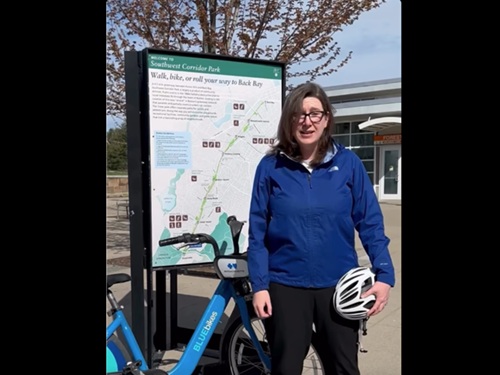
“Given the importance of safe mobility options for all and the rapidly growing use of micromobility devices … the Ride Safe Act marks the next critical step to proactively ensure micromobility options are available and can grow safely as an integral part of our transportation network,” noted Phil Eng, interim MassDOT secretary and general manager of the Massachusetts Bay Transportation Authority.
“There is a lot of enthusiasm for micromobility among residents and new devices are being introduced all the time, making this a very dynamic area of transportation,” he added. “This approach balances innovation and access while prioritizing safety across our roads and infrastructure.”
“This first in the nation legislation offers both the state and municipalities a clear policy framework to reduce confusion about use and speed as more of these devices take to our roads and pathways,” said Samantha Silverberg, MassDOT undersecretary of transportation policy.
“And by enhancing data collection, it will significantly help us improve safety and better design infrastructure in the future,” she said. “Overall, the legislation will help residents make safer use of these devices to access transit, commute, and recreate across the state.”
 States
Larry Flynn Named as Director for Montana DOT
October 2, 2026 States
