


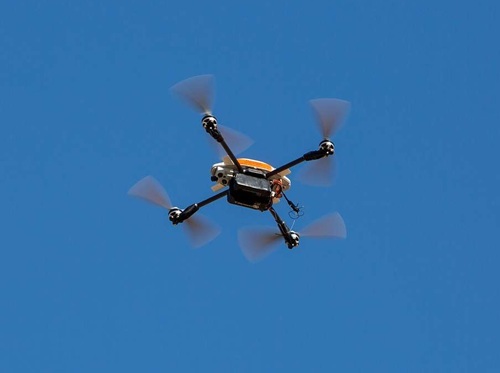
The Federal Aviation Administration has issued a proposed rule that would restrict unmanned aircraft system or drone operations around 16 specific categories of critical infrastructure sites, such as including energy production, transportation systems, chemical facilities, water treatment plants, and defense industrial complexes.
[Above photo by the U.S. Marine Corps]
Restrictions – which would be submitted and approved via a new FAA web portal – would be approved based on safety or security criteria, the agency said, with restriction criteria including impacts to aviation safety, protecting people and property on the ground, national security, or homeland security.
The rule would establish two types of restrictions, FAA noted:
- Standard Unmanned Aircraft Flight Restriction (UAFR), which would bar drone operations within a specific boundary except operators who have previously met rigorous safety and security standards.
- Special Unmanned Aircraft Flight Restriction (UAF), which would be a much more severe restriction baring drone operations within a specific boundary for all operators unless they have the express, prior approval from both the FAA and a sponsoring agency, such as the Department of Homeland Security.
The FAA said restricted areas would have clearly defined horizontal and vertical boundaries and violators could face civil or criminal penalties.
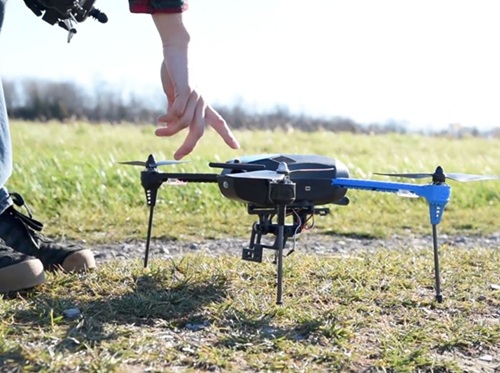
The rule would also allow site operators to contact law enforcement if a drone flew into a restricted area, after which authorities can use Remote ID to locate the control station or operator. Pilots could also face license suspensions, revocations, fines, and criminal charges for entering no-fly zones, FAA said.
“Restoring airspace sovereignty in America means protecting sensitive locations from aerial threats while providing clear guidance to drone pilots so they can operate with confidence. This rule does just that,” said Sean Duffy, secretary of the U.S. Department of Transportation, in a statement.
“This rule is essential to safeguarding America’s critical infrastructure,” added Bryan Bedford, FAA’s administrator. “It gives law enforcement a clear, effective tool to deter unauthorized drone activity around sensitive sites that could pose serious risks to public safety and national security.”
 Nation
Podcast: How MoDOT Cut Wildlife Vehicle Crashes
October 9, 2026 Nation
