


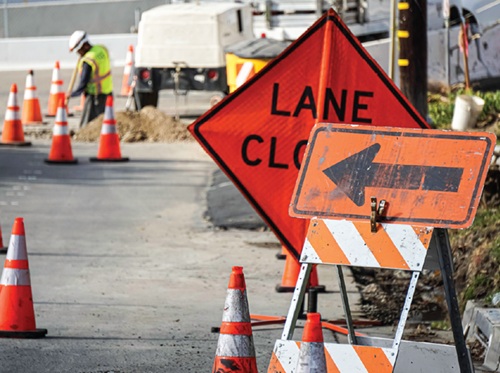
A new national poll conducted by the Associated General Contractors of America finds that 78 percent of American voters want Congress to pass a new surface transportation reauthorization package before the current law expires on September 30.
[Above image by AGC]
AGC said that new polling, which includes national responses and breakout responses for each state, shows voters are tired of the costs of bad roads and want Congress to make new investments in the nation’s transportation infrastructure.

The association commissioned the survey of more than 10,000 voters across the country, with breakout data for every state, in partnership with Morning Consult.
“Voters across both parties understand the connection between transportation investment, economic growth and job creation and want Congress to pass a new transportation bill before the deadline,” said Jeffrey Shoaf, AGC’s chief executive officer, in a statement. “They want safer roads, less congestion and increased investment in the infrastructure in their communities.”
He added that 76 percent of voters report they are more likely to support a member of Congress who helps get the new surface transportation bill completed and that 80 percent of voters want Congress to make sure it invests as much or more than it currently does in the nation’s roads, bridges, and transit systems when it passes the next bill.
Shoaf noted that one reason so many voters likely support passing a new highway bill is because 55 percent of registered voters have experienced at least one road, bridge or traffic problem in the past two months. This includes 27 percent of voters who report having a vehicle damaged by a pothole during that time, he said.
In addition, AGC’s poll found that 68 percent of U.S. voters support a federal road fee on electric vehicles and plug-in hybrids, while three-quarters of voters agree that federal officials need to do more to make highway work zones safer by allowing advanced safety precautions such as barriers and speed cameras to protect workers.
 Nation
USDOT Unveils ‘Great Corridors of Commerce’ Program
August 28, 2026 Nation
