


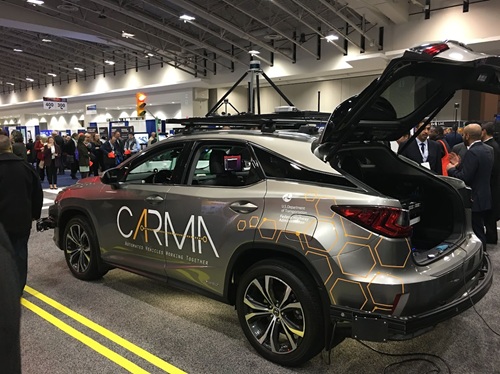
The American Association of State Highway and Transportation Officials recently commented on the National Highway Traffic Safety Administration’s ongoing review of Federal Motor Vehicle Safety Standards (FMVSS) in light of the development and deployment activities related to Automated Vehicle (AV) and Automated Driving Systems (ADS) technologies.
[Above photo by AASHTO]
“FMVSS performance requirements, along with geographic and condition-based Operational Design Domain information, will be critical in determining how ADS-equipped vehicles will be registered, evaluated, regulated, or permitted by state departments of transportation,” AASHTO said in a letter to the agency.
“The technical interpretations provided by NHTSA – especially for Level 3 automation, currently the most prevalent level of automation – will serve as a valuable resource for state legislatures as they craft AV regulations,” the organization noted.
AASHTO said that state DOTs would especially benefit from NHTSA’s focus on specific regulatory areas pertaining to AV and ADS technologies:
- Clear guidance on infrastructure expectations supporting ADS operations (e.g., connectivity, lane markings, and traffic control devices) would assist state DOTs in planning and preparing roadway environments for ADS deployment.
- Greater clarity regarding ADS behavior during degraded or fault conditions (such as, sensor degradation, control system faults, or ADS-initiated fallback maneuvers, etc.) would support DOT planning for incident response, disabled vehicle removal, and coordination with emergency services.
- Scenarios such as work zones, temporary traffic control, lane closures, and incident scenes highlight the need for predictable ADS behavior that aligns with roadway operations. Additional consideration should be given to snow and other inclement weather conditions, which can obscure roadway markings and signs, making them difficult for ADS to interpret.
- As ADS vehicles with non-traditional controls or seating configurations are deployed, additional federal guidance would help state DOTs understand operational implications for roadway interactions, enforcement coordination, incident response, and public safety practices.
- For ADS applications involving freight, transit, or maintenance vehicles, additional FMVSS guidance would help states anticipate impacts on freight corridors, managed lanes, and overall roadway safety and operations.
AASHTO also noted that while federal leadership in setting performance standards for ADS and AV technologies is important, it must not come at the expense of the traditional and critical role that states play in regulating vehicle operations, driver behavior, roadway usage, and traffic enforcement.
“Federal preemption of state authority risks creating regulatory gaps and eroding the ability of state DOTs to fulfill their public safety responsibilities,” the organization said in its letter. “States must remain partners in the deployment of AVs, and future federal legislation should preserve state oversight authority.”
 Nation
Transportation Matters with Jim Tymon, Winter Edition
February 20, 2026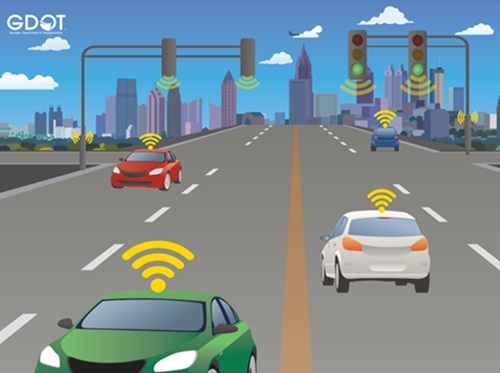 Nation
