


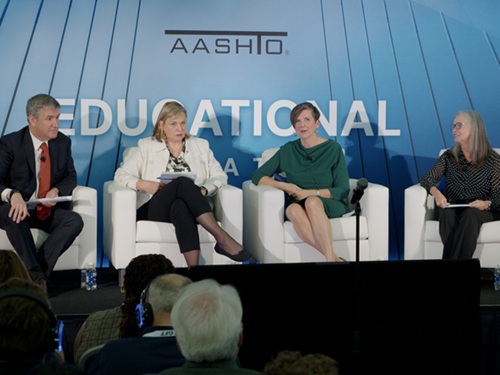
The American Association of State Highway and Transportation Officials recently held a knowledge session at its 2026 Annual Meeting in Louisville, KY, focused on how state departments of transportation seek to attract and retain the next generation of talent for the transportation workforce.
[Above photo by AASHTO]
Bryan Hancock, a partner at McKinsey and Company – the session’s presenter – moderated a panel discussion that featured Kristina Boardman, secretary of the Wisconsin Department of Transportation; Brandye Hendrickson, deputy executive director for planning and administration for the Texas Department of Transportation; and Dawn Sullivan, deputy director for the Oklahoma Department of Transportation.
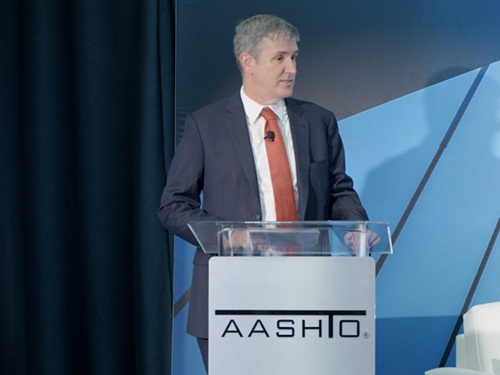
With artificial intelligence or AI and other emerging technologies on the rise, state DOTs are looking for ways to attract new talent and bring fresh ideas to the table. McKinsey’s Hancock noted that AI’s fast growth is reducing opportunities for entry-level workers – with McKinsey research indicating 51 percent of organizations believe AI is reducing their need to hire people for entry level roles.
“In 2023, about 30 percent of all employees told us they use some form of AI at work. Last year, it was 76 percent, and it’s even higher today as we’re seeing even frontline workers have access to AI tools embedded somewhere in what they do in their work,” Hancock said. “It’s changing how work gets done, how decisions get made, and what a starter job looks like. As a result, what we are seeing is the front door to a career across [many] industries is narrowing.”
While AI is playing a new role in how transportation agencies operate, state DOTs are looking to the next generation of workers to bring new technical skills while preserving the human perspective that technology cannot replace. For instance, TxDOT is employing a workforce-wide approach to AI – providing foundational training across its 25 districts and 28 divisions while identifying AI champions to integrate the technology into business workflows.
“There are so many different ways that the human element is critical to the use of AI, and we’re helping people identify what that means for them in this new digital world that we’re in,” said TxDOT’s Hendrickson. “We are figuring out ways to make that transition to a more data- and digital-centric environment, which is important to the folks who are just now entering the workplace.”

In addition to new technology, workplace flexibility and sense of purpose are key motivators for the next generation of workers, stressed Wisconsin DOT’s Boardman.
“You want people that are inspired and are staying with your workforce,” she said. “We do really want to lean into the flexibility … we really want to lean into that workplace culture and what we’re doing so people feel accepted right from the start.”
To strengthen the transportation workforce pipeline and unite young talent with their mission, many state DOTs are offering year-round internships and programs that engage students beginning in high school.
“I was actually a student intern in a university design team, and that’s how I even started at the department and why I’m still there 37 years later. We have to grow our own talent,” said Oklahoma DOT’s Sullivan. “We’re doing outreach through the AASHTO STEM Outreach Solutions program. We’re trying to reach students in their high schools, where they live, and make sure they know that there is a place close to home where they can come back after college and work as an engineer at the Oklahoma DOT.”
Concurrently, many state DOT leaders are reinforcing their mission and purpose by helping employees recognize the impact they make in their communities every day. That connection between intention and impact is becoming increasingly important to the next generation of transportation professionals, Wisconsin DOT’s Boardman noted.
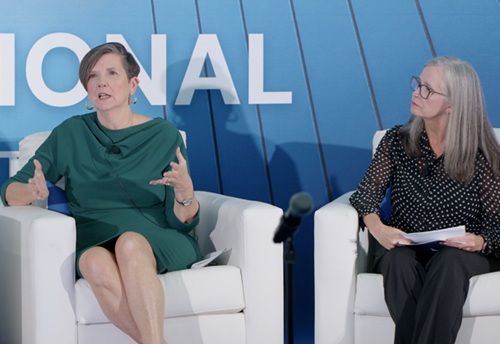
“You have a new generation in the workforce that asks questions,” she explained. “They want to know the why. They want to know, ‘What is my role in this meaningful work?’”
Along with creating that sense of purpose, state DOTs are looking at other ways to support and retain employees, including compensation that reflects their contributions.
“You can’t say your employees are your greatest resource if you don’t invest in them,” said Oklahoma DOT’s Sullivan. “We have committed to doing a market study for our employee salaries every two years.”
With numerous career pathways available across transportation agencies, it is increasingly important for employees to see opportunities for growth and envision a long-term career within the organization.
“It is a jungle gym, not a career ladder,” said Sullivan. “There’s a lot of different opportunities in the DOT. We make sure that they rotate through all the different areas, and they know what kind of work is available to them.”
By investing in employees through competitive pay, professional development, robust training and diverse career opportunities, state DOTs are equipped to build a workforce to meet the transportation needs of the future, she stressed.
 Nation
State DOTs Detail Speed Management Strategies for Safety
November 20, 2026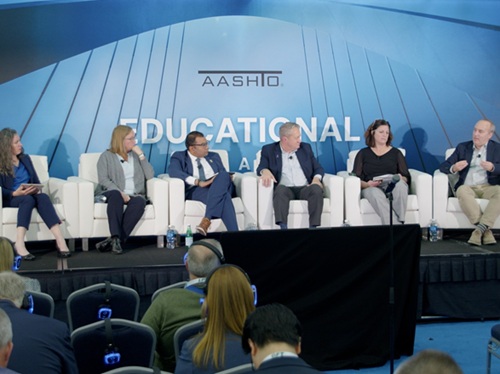 Nation
