


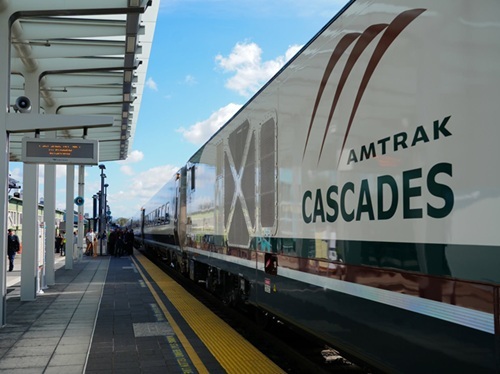
The Washington State Department of Transportation is seeking to link the development of a regional high-speed rail network to the future needs of the I-5 highway; addressing multimodal transportation needs as part of its “Cascadia Program.”
[Above photo by WSDOT]
Stretching from Vancouver, British Columbia, to Portland, OR, the so-called Cascadia “megaregion” is expected to grow by 3.4 million people through 2050. For that reason, WSDOT’s Cascadia Program includes the I-5 Master Plan and the Cascadia High-Speed Rail projects that, combined together, aim to address the region’s population growth and existing infrastructure constraints.
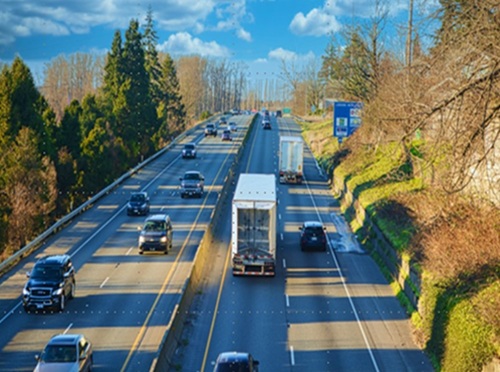
The agency said in a statement that the goal of this multimodal, multi-region transportation plan is to ensure the reliable movement of people and goods now and into the future, as an “integrated approach” is crucial for maintaining connectivity and addressing growth within the region.
WSDOT said the I-5 Master Plan seeks to identify gaps within this north-south highway corridor and prioritize improvements that will reduce congestion, improve safety, and preserve vital infrastructure, while the Cascadia High-Speed Rail project – still in its early planning stages – is identifying potential routes, service options, and various governance and financing models.
Ben Tripousis, WSDOT’s Cascadia Program administrator, noted that this is “a uniquely challenging but extremely exciting time” for the Cascadia megaregion, one that offers “a significant opportunity” to shape how people travel now and in the future via a more reliable and connected transportation network.
Multimodal network development is a key facet of most state departments of transportation mid- and long-term planning efforts.
For example, one of three key “pillars” of the 10-year plan approved by the Colorado Department of Transportation in May is to “expand multimodal connections” and provide viable alternatives to single-occupancy vehicle travel.
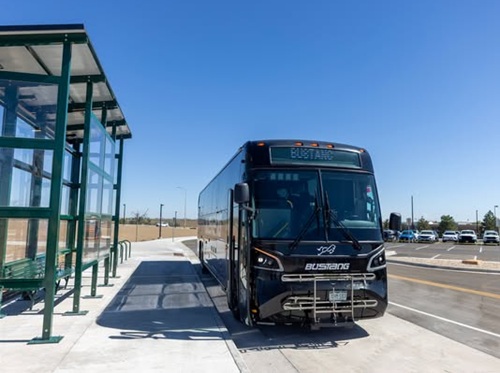
The department said key initiatives within its latest 10-year plan include the Colorado Mountain Rail and Front Range Passenger Rail projects, which are designed to sustainably enhance transportation options by developing a passenger rail network that connects mountain towns and Front Range communities with Denver.
Concurrently, the plan also includes the Federal Boulevard Bus Rapid Transit project, which will implement 18 miles of dedicated infrastructure and stations from 120th Avenue to Dartmouth Avenue in Denver – providing high-frequency transit while supporting essential pedestrian and bicycle facilities in a busy urban commuting environment.
On the highway side, in the mountains, a key endeavor within the agency’s decade-long plan is the I-70 Glenwood Canyon Critical Asset Repair project will focus on the most deteriorated sections of the corridor, replacing guardrails with modern systems that meet current crash testing standards to help ensure the long-term reliability of this vital interstate link. “This 10-year plan is part of our firm commitment to a safer, more connected future,” stressed Shoshana Lew, Colorado DOT’s executive director.
Meanwhile, back in February, Southeast Alaska gained new coordination and collaboration tools for transportation planning and prioritization with the formal designation of the Southeast Regional Planning Organization or “SE-RPO” in partnership with Alaska Department of Transportation & Public Facilities.
That group’s planning activities will address transportation needs, opportunities, and challenges specific to Southeast Alaska’s geography, communities, and multimodal transportation system, Alaska DOT&PF.
The formal designation of the SE-RPO – which will serve Alaska’s Southeast area, encompassing the panhandle from Yakutat in the north to Metlakatla in the south – took place at a recent signing ceremony during the Southeast Council Mid-Session Summit in Juneau. Alaska DOT&PF said in a statement that SE-RPO is Alaska’s fourth RPO and the first designated in 2026.
 States
Tim Gatz Stepping Down as Oklahoma DOT Director
October 9, 2026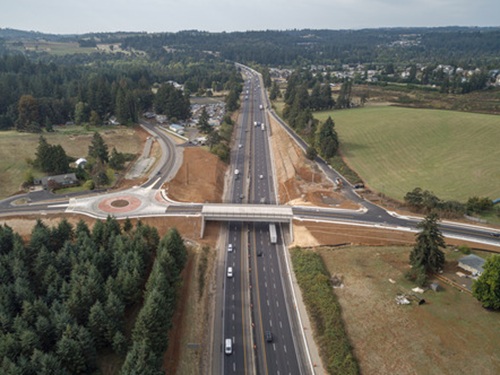 States
