


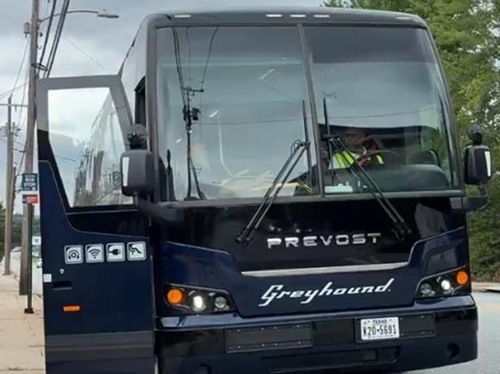
Intercity bus service in Asheville, NC – funded by the North Carolina Department of Transportation and operated by Flix North America/Greyhound – has carried more than 10,000 riders in less than a year since its relaunch following Hurricane Helene.
[Above photo by NCDOT]
NCDOT paused the service on September 27, 2024, due to Hurricane Helene, then relaunched August 1, 2025. Since then, it has seen steady monthly growth sparked by people who are seeking affordable, reliable connections both statewide and nationwide – indicating the service is fulfilling its goal of expanding access to jobs, education, and healthcare, the agency said.
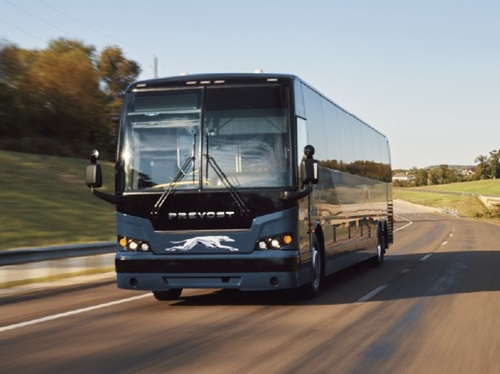
“Intercity bus service plays a critical role in North Carolina’s transportation network, particularly for rural and mountain communities,” said Brennon Fuqua, NCDOT’s Integrated Mobility Division director, in a statement. “This achievement shows the value of strong state, local and private partnerships when expanding mobility.”
NCDOT noted that its Asheville service connects to 292 destinations nationwide and that ridership has exceeded numbers compared to a similar period in 2022, 2023, and 2024. The agency said about 65 percent of its Asheville bus trips are in state and 35 percent are out of state
“Reaching more than 10,000 riders in under a year shows just how essential intercity bus service is for the Asheville community and the surrounding region,” added Rodney Surber, chief operating officer at Greyhound. “We’re proud to deliver that value to the Asheville community every day, and we remain committed to keeping these connections strong.”
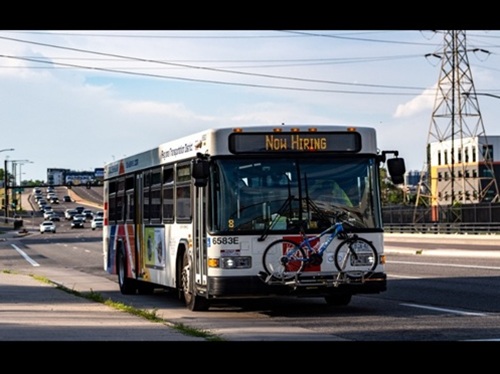
Across the country, state departments of transportation support bus transit services in a variety of ways.
For example, the Colorado Department of Transportation issued a $9.3 million grant to Colorado Clean Transit Enterprise and Regional Transportation District to increase bus frequency and launch new service on key bus routes as well as restore service on some routes – while providing extra capacity for high-volume events.
“We know that frequency and reliability are critically important factors when people choose how to get to where they need to go,” noted Shoshana Lew, Colorado DOT’s executive director and a CTE board member, in a statement. “Investing in transit running more often can help riders have more choices as they navigate their lives, and can make transit a viable option for more Coloradans.”
Meanwhile, in April, the Nebraska Department of Transportation partnered with the University of Nebraska at Omaha’s Center for Public Affairs Research to begin conducting an Intercity Bus Service Study.
A major focus of that effort is to determine the need for state/federal assistance to maintain current services or provide expanded connections from rural areas to connect with the national intercity bus network. By using these services many Nebraska residents can reach key connecting points for more distant travel, the agency said.
 States
Nebraska Highlights New State Infrastructure Initiative
September 11, 2026 States
