


Several state departments of transportation recently launched new outreach initiatives aimed at communicating more information about a wide variety of efforts to the public – from ongoing infrastructure projects to disaster recovery operations.
[Above photo by Oregon DOT]
For example, the New Mexico Department of Transportation recently launched a new interactive digital platform that makes it easier for the public to explore transportation projects planned across the state.
Developed over the past 18 months in collaboration with New Mexico’s five Metropolitan Planning Organizations and federal partners at the Federal Highway Administration and Federal Transit Administration, the new electronic Statewide Transportation Improvement Program or “eSTIP” uses Geographic Information System or GIS technology to display projects on a dynamic, statewide map.

Users can zoom into specific regions, NMDOT said, and click on individual projects for details and search projects by location. Project information can also be exported into Excel or PDF formats for reporting and analysis, the agency added.
“This new eSTIP platform represents a step forward in transparency and accessibility for transportation planning in New Mexico,” explained David Quintana, NMDOT’s acting secretary, in a statement. “Interactive mapping technology makes it easier for residents, local governments and stakeholders to see where transportation investments are happening and how projects impact their communities.”
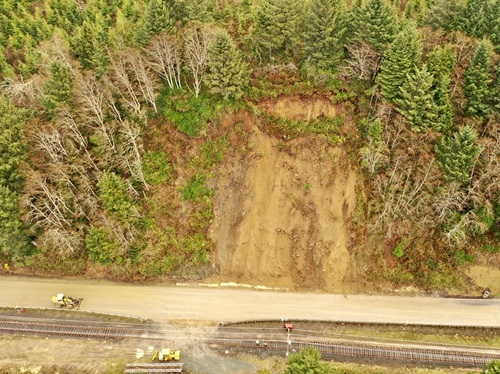
Meanwhile, when a landslide wiped out a mile-long portion of a key highway in December 2025, the Oregon Department of Transportation constructed and launched a dedicated website to keep state residents informed about ongoing recovery operations.
The OR 229 Landslide webpage “provides the community and travelers with the latest information about the landslide, ongoing monitoring, and next steps for rebuilding the highway,” Oregon DOT explained in a news release. That web page also includes background on the slide, monitoring efforts, detour information and an overview of what it will take to rebuild the highway.
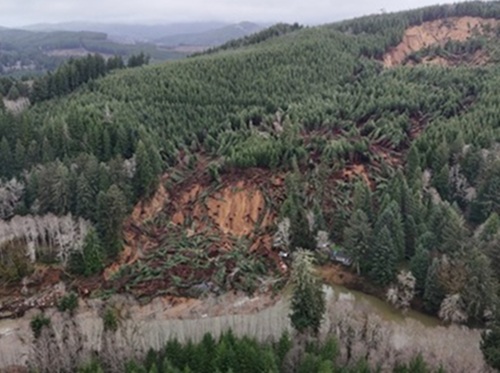
The landslide destroyed roughly 1,000 feet of road and remains extremely complex, the agency added, as in some areas, large blocks of soil and rock shifted while other sections behaved more like a debris flow due to high water content. Because of ongoing instability, the area remains unsafe for full on-the-ground access.
Because the slide destroyed portions of the road and remains unstable, reopening OR 229 will require far more than debris removal, Oregon DOT stressed – it will require extensive investigation, design, funding and construction similar to building an entirely new road.
The Idaho Transportation Department (ITD) recently shared its experiences on how broad and ongoing communication outreach regarding transportation infrastructure issues is critical to assuaging public travel concerns.
In a blog post, the agency relayed that when Broadway Avenue in District 3 developed significant potholes, staff began receiving repeated calls from frustrated residents. District staff issued a press release, published a website blog, and shared updates on social media outlining the background and the way ahead. According to District 3 outreach staff, once the information was public, call volume from concerned residents dropped by about 60 percent.
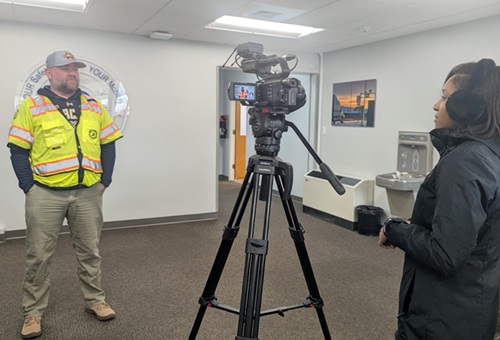
“That outcome was not the result of a single news release. It required maintenance staff explaining conditions, project managers outlining constraints and timelines, and district leadership being willing to put clear information on the record,” the agency explained. “Public outreach is the process of connecting with an audience to inform them about issues, problems or opportunities in the community. At ITD, PIOs [public information officers] manage website updates, coordinate with media, oversee social media and support public meetings. Just as important, they translate technical information into language the public can understand. But they cannot do that in isolation.”
Public outreach is essential for creating trust, ITD noted, as that trust has real consequences beyond a single project. The agency said its strongest legislative support and largest budgets have come during periods when the public had the greatest confidence in the department’s work.
“For project managers, the practical takeaway is straightforward – outreach is not separate from project delivery; it is part of it,” ITD noted in the blog post. “Early coordination with a PIO allows questions to be anticipated instead of answered reactively. The public experiences ITD through closures, detours, noise, delays and improvements. Sharing details, photos and context early helps the public have a clearer understanding of decisions that may otherwise feel abrupt or unexplained.”
 Top Stories
State DOTs to See Benefits from Permitting Reform Bill
October 16, 2026 Top Stories
