


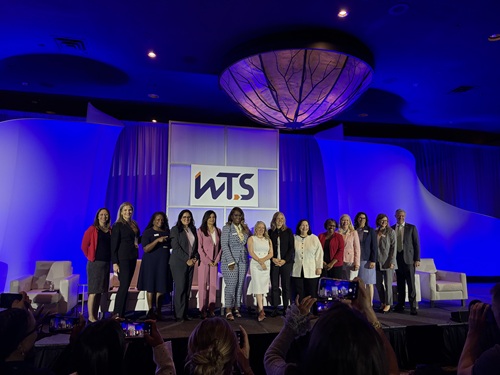
With women continuing to advance into leadership roles at state departments of transportation, five women state DOT CEOs shared their insights on the industry’s future during the “AASHTO Panel: Voices of Vision” session at the 2026 WTS International Conference May 6 in Los Angeles, CA.
[Above photo by AASHTO]
Sponsored by RS&H, the session delved into the real-world experiences of those women leaders and how those experiences are helping them navigate the future opportunities and challenges faced by the state DOT community.
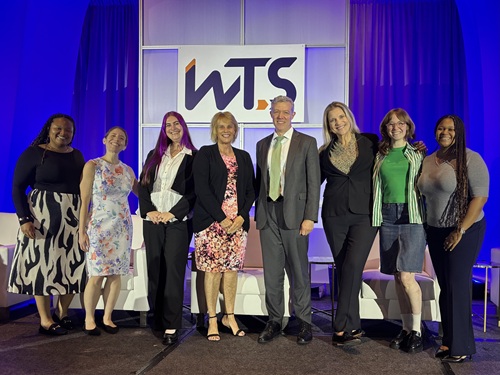
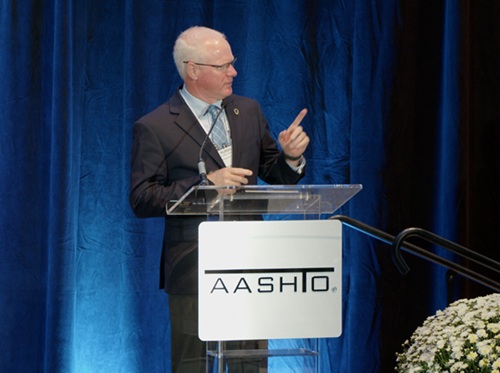
“We are so fortunate to have amazing women leaders up and down the state DOT community,” explained Jim Tymon, executive director of the American Association of State Highway and Transportation Officials, during introductory remarks ahead of the panel discussion. “During the 2025 AASHTO Annual Meeting, we renewed our MOU [memorandum of understanding] with WTS and are looking to expand opportunities for women in the industry and to support women leadership at the national, state and local levels.”
He highlighted the growing number of women serving as state DOT CEOs and the impact their leadership is having across the transportation community.
“One key statistic is the number of state DOT CEOs that are women. This year, there are 17 state DOT female leaders,” Tymon noted. “This is a high watermark to have that many women leading state DOTs across the country.
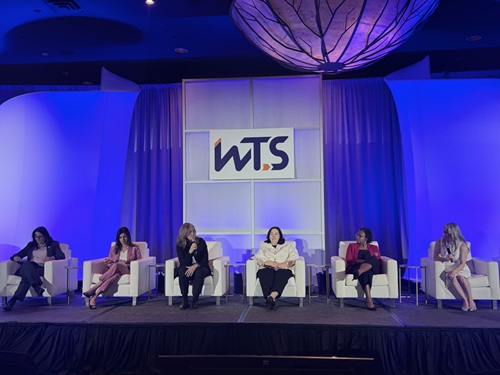
Bridgette Beato, chair of the WTS International board of directors, moderated the all‑women panel discussion that featured Shanté Hastings, secretary of the Delaware Department of Transportation; Priya Jain, commissioner of the New Jersey Department of Transportation; Gia Biagi, secretary of the Illinois Department of Transportation; Marie Therese Dominguez, commissioner of the New York Department of Transportation; and Dina El‑Tawansy, director of the California Department of Transportation.
The panelists covered a broad range of topics, including how they are leveraging technological innovation to bolster their operations while preparing state DOT employees for change.
“Change is hard,” said Jain. “People get scared of innovation. Everyone is working in silos from planning to operations. How can you connect the dots? We need to celebrate those changes.”
“We need to make sure our organizations and our people are ready for this. Fundamentally, we’re not your dad’s DOT anymore,” said Dominguez. “We’re your mom’s DOT, we’re your sister’s DOT, and we’re your daughter’s DOT. We are building a system for the future, and while we have a strategy on how to get there, we have to bring our teams with us.”
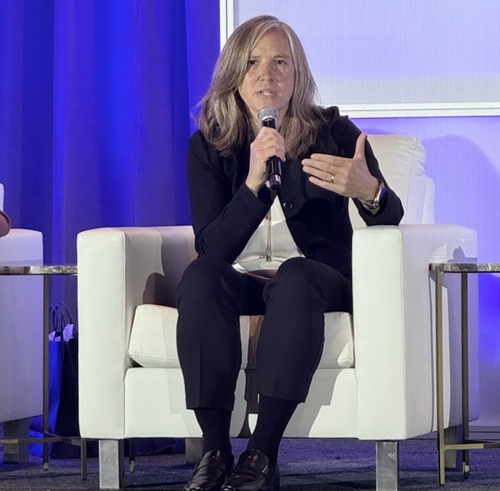
Biagi underscored that, as state DOTs enter a new technological era, it is critical to align major investments with the needs and realities of the people they serve.
“We need to think about how we connect across the systems,” she stressed. “How does what we are doing connect to economic development? In Illinois, we are trying to match our investments with where people are.”
When asked about navigating competing priorities, several panelists stressed workforce development as a key factor in strengthening state DOTs.
“We need to grow the pool of qualified professionals to help us in the transportation space,” said El‑Tawansy. “There is a lot of training and mentorship that we are doing throughout the department. We see opportunities happening today.”
Echoing those themes, Hastings shared how she began her career at the Delaware DOT as an intern in 1999 and worked her way up to secretary. From reviving an internship program to encouraging professional development, she emphasized the importance of creating opportunities for employees across the department.
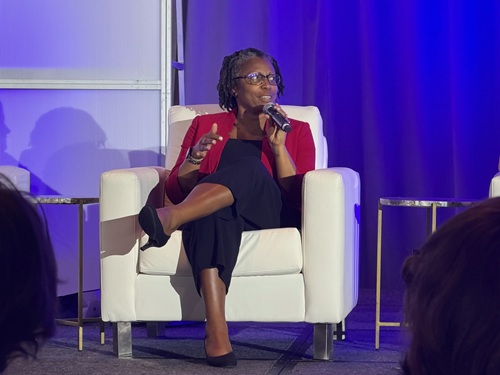
“Our workforce needs to look different,” Hastings said. “We need to bring our team along so there’s a people component as well as a funding component. We want to innovate.”
As state DOTs shift to trying out new technologies and innovations, she stressed that this is creating a “trailblazing moment” for transportation.
“The possibilities are endless. Transportation connects people to opportunities – what we do is really important. The things on the horizon are really exciting,” Hastings said. “It is a time of optimism.”
Their message to women in the field was clear: take risks, say yes to opportunities even when you don’t feel fully ready, invest in your teams, and lead with purpose.
“Be a buffalo,” said Dominguez. “When the storm is coming, buffalos run into the storm, survive, and get to the other side of storm. Run in, say yes, take on the challenge, move forward.”
 Top Stories
AASHTO Safety Summit: Managing Speed with Technology
October 9, 2026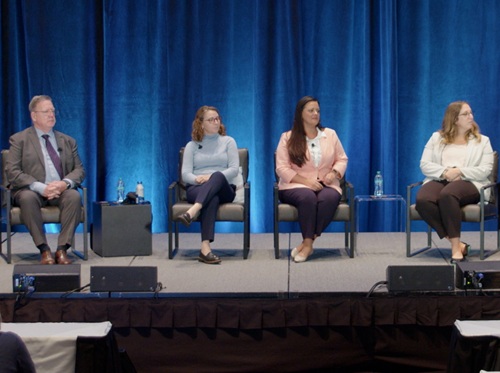 Top Stories
