


The Mississippi Department of Transportation recently began work on the $400 million I-20/I-55 Freight Corridors Improvement Project; one of its most significant infrastructure investments in recent years, better known as “The Big Fix.”
[Above image by Mississippi DOT]
The project is on track to begin this fall and will last for approximately two and a half years, noted Willie Simmons, chairman of the Mississippi Transportation Commission.
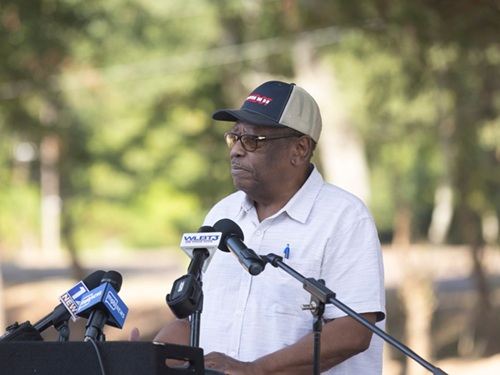
“This transformative initiative will modernize some of the state’s most heavily traveled corridors; enhancing safety, improving mobility, and extending the life of many interstate bridges throughout the Jackson-metro,” he noted in a statement.
“We are extending the lives of our existing structures by 40 years and getting use out of the investment we made as a state over 60 years ago when these roads and bridges were built,” Simmons added. “This level of construction work will be an inconvenience, but the long-term benefits, from safety and efficiency to economic development throughout the heart of Jackson, will be worth it tenfold for not only us, but many generations.”
Project components include:
- The rehabilitation and modernization of 36 bridges to strengthen and extend their life spans, improving long-term reliability.
- The resurfacing or repair of 32 interstate miles – 16 in each direction – to provide a smoother, safer driving experience.
- The installation of Intelligent Transportation System or ITS technologies, such as digital message signs, to provide motorists with real-time travel information and traffic updates.
Mississippi DOT said the construction plans for “The Big Fix” call for two full 45-day interstate shutdowns on I-20, one in each direction. The first is scheduled to take place on I-20 westbound in summer 2027, with the second scheduled on I-20 eastbound during summer 2028.
“We understand the two 45-day shutdown periods will be a major inconvenience. The alternative, performing this work under lane closures, would mean a timeline of years, not days,” said Brad White, Mississippi DOT’s executive director. “Without this work, we’d likely be forced to lower weight restrictions or even perform emergency closures that would have a much more severe traffic impact for a longer period.”
He noted that, during those full interstate shutdown periods, work such as shoulder widening, end wall replacement and repair, barrier work, plus full depth pavement removal and replacement will take place.
“Performing this portion under lane closures would be extremely costly and significantly extend the project schedule due to the traffic control measures required,” White stressed.
“We’ve chosen to address all of these needs at the same time, reduce motorists’ encounters with construction and deliver the improvements much sooner,” he pointed out. “I look at it as two years instead of two decades. This gets us better infrastructure sooner with fewer years of recurring construction zones.”
 States
New $138B Transportation Investment Plan for Texas
August 28, 2026 States
