


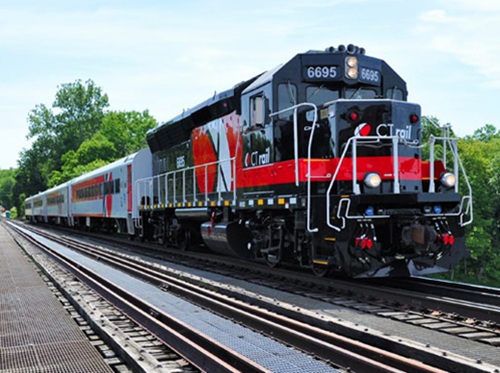
The Connecticut Department of Transportation recently issued $20 million in grants through its Rail Freight Infrastructure Program; funding that supports projects aimed at enhancing rail safety, expanding rail freight capacity, and strengthening the long-term reliability of the state’s rail freight network.
[Above photo by CTDOT]
Those grant awards are also supplemented by nearly $4 million in private railroad investment, the agency noted; reflecting the strong public‑private partnerships that are central to maintaining an efficient statewide freight system. Together, these combined investments will help reduce highway congestion, support economic growth, and improve freight mobility across Connecticut, the department explained.
“Connecticut’s freight rail network is moving essential supplies and goods across the region that people and businesses rely on every day,” noted Governor Ned Lamont (D) in a statement. “A strong economy depends on reliable infrastructure, and that’s exactly what these investments deliver. These grants reflect our strong partnership with the freight railroads and our shared commitment to safety and reliability.”
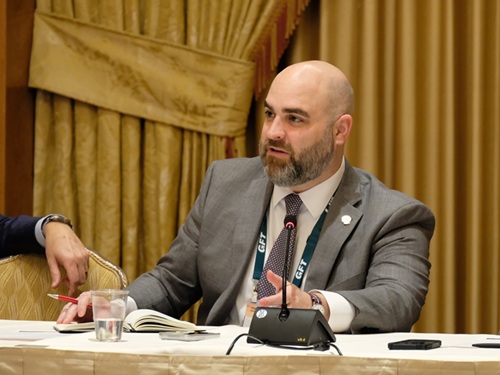
“Improving the state’s freight rail infrastructure is a critical component of strengthening Connecticut’s economy. Investments in freight rail make the supply chain more resilient, create jobs, and establish a strong system for future commerce,” added Garrett Eucalitto, CTDOT commissioner and immediate past president of the American Association of State Highway and Transportation Officials.
“These improvements will allow more freight to be moved safely and more quickly, while reducing highway congestion and air pollution. I look forward to the continued partnership with the freight railroads as we keep the state and region’s economy moving forward,” Eucalitto said.
According to the Association of American Railroads, 2.6 million tons of freight originated in Connecticut in 2023, and another 1.6 million tons terminated in the state. Railroads in Connecticut move essential commodities including stone and aggregate, agricultural goods, municipal solid waste, construction materials, fuel products, metals, paper, heavy equipment, and intermodal containers, AAR added.
 States
Kansas DOT Helps Host ‘Drive To Zero Day’ Event
March 13, 2026 States
