


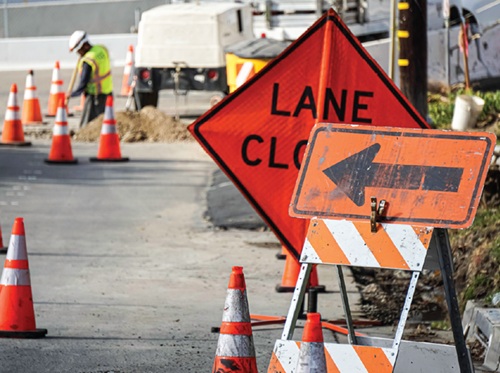
A yearly highway work zone study conducted by the Associated General Contractors of America and Texas-based construction software provider HCSS finds that distracted driving, inconsistent enforcement, and the rising cost of safety equipment continue to make highway work zones more dangerous for both motorists and construction crews alike.
[Above image by AGC]
According to the survey results, 60 percent of contractors reported experiencing at least one crash involving a moving vehicle in their highway work zones during the past year, while nearly one-third reported experiencing five or more crashes.
More troublesome, over half of the contractors surveyed said highway work zone crashes pose a greater risk today than they did one year ago, while another 45 percent said the risk has remained about the same. Only 4 percent said work zone crash risks have declined over the past year.
The survey also found that motorists and passengers are significantly more likely to be injured or killed in work zone crashes than construction workers.
AGC’s survey also found that, among contractors who experienced work zone crashes, 27 percent reported crashes that injured construction workers, while nearly three-fifths reported crashes that injured drivers or passengers.
In addition, 22 percent of respondents who experienced a crash reported a driver or passenger fatality, compared to 7 percent who reported a construction worker fatality. Contractors also reported that work zone crashes are increasingly disrupting project schedules and operations, AGC said.
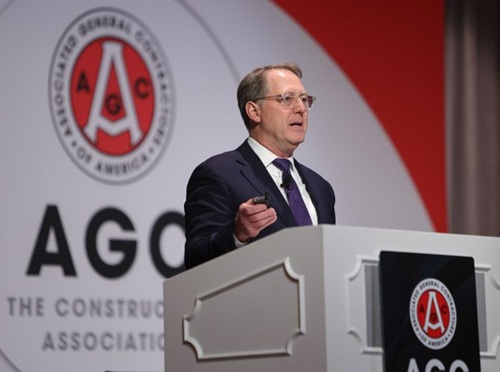
“Too many drivers continue to speed, use their phones, or simply fail to pay attention in work zones, putting construction workers and motorists alike at serious risk,” noted Jeffrey Shoaf, AGC’s CEO, in a statement.
He said AGC is urging Congress to incorporate “meaningful highway work zone safety requirements” in its surface transportation funding reauthorization bill, including provisions that encourage states to develop comprehensive work zone safety plans and strengthen enforcement and crash data collection efforts.
“Better training, stronger enforcement, and improved public policies can help reduce crashes, but motorists ultimately bear the responsibility for slowing down and staying alert in work zones,” Shoaf said.
During a May 20 webinar to discuss the survey’s findings, Brian Turmail – AGC’s vice president of association & industry image – explained that the a “culture shift” needs to occur with the motoring public regarding highway work zone safety.
“We want distracted driving and speeding in work zones to be as much a stigma as driving drunk or not wearing seat belt,” he said. “It is ultimately about getting drivers to make the right choices.”
He noted that the survey also discerned “growing frustration” with work zone enforcement efforts, with nearly 40 percent of those contractors polled saying penalties for moving violations in work zones should be more severe, with 39 percent saying current penalties are sufficient but are not being enforced enough. Only 29 percent of respondents believe current enforcement efforts are helping deter unsafe driving behavior in highway work zones, the survey noted.
Contractors polled by AGC and HCSS also identified increased law enforcement presence as the measure most likely to improve work zone safety, with 79 percent of respondents saying greater police presence near active work zones would help reduce crashes, with nearly three-quarters supporting stricter enforcement of existing work zone traffic laws.
More than two-thirds of those contractors also supported stricter distracted driving laws targeting phone usage in work zones, and a majority supported automated speed enforcement measures.
“The thing we would like to see is more driver responsibility” for work zone safety, noted Heather Agee, chief strategy officer for Kansas City-based highway contractor IBC Traffic, during the webinar.
“We have to acknowledge that these are choices that we make as drivers – to slow down, to pick up the phone to read texts or not,” she said. “We need to truly advocate for each of us, so we understand the ramifications of doing these things in work zones. The responsibility [for safety] cannot rest on the shoulders of workers inside the cones alone.”
 Nation
FAA Issues $481M to Help Improve Airport Infrastructure
September 11, 2026 Nation
